
























It’s a tail as old as time – the fur-parent travels through pet food aisles and online pet stores to find the finest food for their feline.
But these days, the options seem endless. Dry or wet? Store-bought or homemade? Which ingredients matter most?
So how do you choose a meal that’ll keep your cat happy, healthy and purring at dinner time? Finding the best cat food starts with understanding your fluffball’s nutritional needs.
Read on to find out what to look for when choosing food for your favourite feline.
What should you look for in cat food?
As cats are obligate carnivores, they have some very specific nutritional needs.
Rather than judging a food by one ingredient alone, look at the complete recipe and whether it’s formulated to provide the nutrition your cat needs. Rather than judging a food by one ingredient alone, look at the complete recipe and whether it’s formulated to provide the nutrition your cat needs. The best food for cats and kittens will also be suited to their particular life stage, as kittens and adult cats have different nutritional requirements.
A few things to look for include:
- Complete and balanced nutrition: Choose a food designed to provide the essential nutrients your cat needs and suited to their particular life stage.
- Animal-based nutrition: Cats need nutrients that are naturally found in animal-based ingredients as part of a balanced diet.
- Essential nutrients: Nutrients such as taurine, vitamin A, vitamin B12, zinc and calcium all play an important role in your cat’s health.
- The right fit for your feline: Your cat’s age, activity level, body condition and individual health needs can all influence which food is most suitable.
If you’re searching for the best cat food in Australia, remember that there’s no one-size-fits-all answer. The right choice will depend on your cat’s age, lifestyle, preferences and individual nutritional needs.
In other words, your cat’s dinner should do more than just pass the sniff test.
Food to suit your cat’s activity levels
Got an active kitty who spends plenty of time playing, climbing and exploring? They may have different energy requirements from a cat whose favourite activity is an afternoon catnap.
For a puss who prefers life in the slow lane, keep an eye on portions and treats to help them maintain a healthy weight.
For those senior kit-izens, nutritional needs can change as they get older. Rather than automatically reducing their food, keep an eye on their weight, body condition and activity levels, and choose a diet suited to their stage of life.
On the other paw, kittens are growing and exploring the big wide world, so they need food specifically formulated to support healthy growth and development.
Some cats prefer eating smaller meals throughout the day rather than one or two larger serves. You can also try puzzle feeders or food-dispensing toys to encourage your cat to work for their food, adding a little extra enrichment to their day. Dinner and entertainment in one? That deserves a paw of approval.
Wet food for hydration
If your Tabby isn’t much of a water-bowl enthusiast, wet food can be the cat’s pyjamas.
Wet cat food contains plenty of moisture, so it can be a handy way to increase the amount of water in your cat’s diet.
When choosing the best wet cat food for your feline, look for a complete and balanced option that suits their life stage and individual needs.
Soft wet food can also be easier for some cats to eat. However, if your cat suddenly seems uncomfortable chewing, drops food from their mouth or changes their eating habits, it’s best to have their teeth checked by a vet.
Wet food can also be a mealtime win for fussier felines. Its aroma, flavour and softer texture may make it especially appealing to particularly discerning diners.
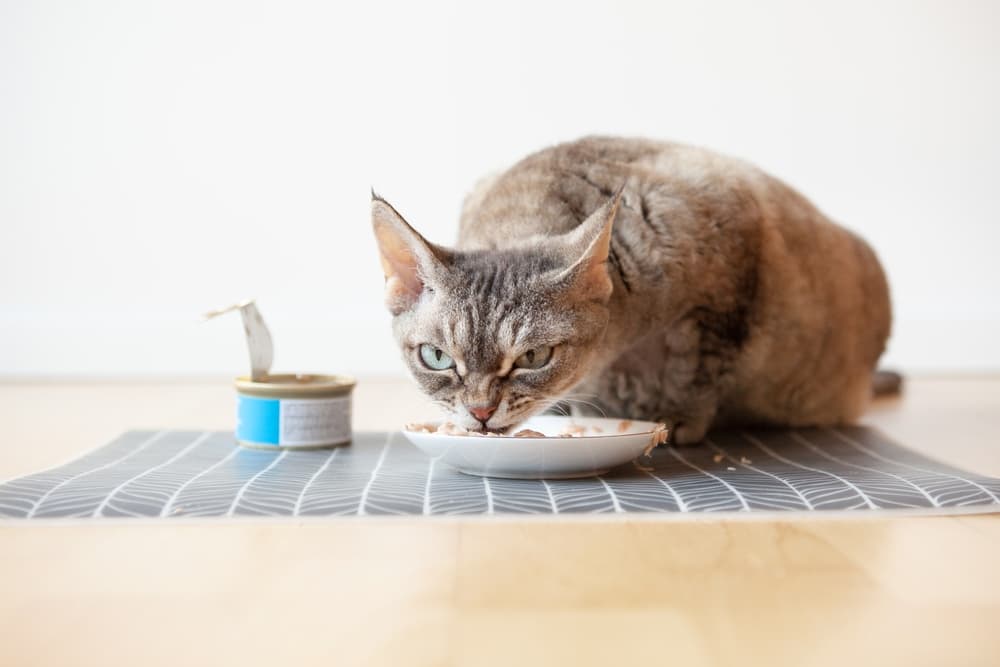
If your feline prefers tins or cans, the best canned cat food isn’t necessarily the fanciest option on the shelf – it’s one that provides complete and balanced nutrition and suits your cat.
What about dry food?
Dry cat food is convenient, easy to portion and simple to store, which makes it a popular choice for many cat parents.
The best dry cat food for your cat will be a complete and balanced formula suited to their age, lifestyle and nutritional needs.
Some specially formulated dental diets and dental treats are designed to help reduce plaque or tartar, but everyday kibble isn’t a substitute for proper dental care.
You can also add a cat dental chew as an extra treat for their teeth, provided it suits your cat’s diet.
And because dry food contains much less moisture than wet food, make sure your cat always has access to plenty of fresh drinking water.
Okay then, what’s better? Wet or dry food?
They can both have a place in your cat’s diet – we’re not kitten.
Both wet and dry cat food can provide complete and balanced nutrition, and some cats enjoy a combination of the two.
Offering different tastes and textures can also give you a little more flexibility at mealtime, particularly when dealing with a famously fussy feline.
If you do feed a combination of wet and dry food, keep an eye on the recommended portions so you’re not accidentally serving double dinner.
And if your cat has a health condition, weight concern or particular dietary requirement, speak with your vet about the best feeding plan for them.
Want to fill a potential gap in your cat’s diet? Paws before adding anything extra to their bowl and check with your vet first.
Keen to ditch the store and DIY?
Proceed with caution!
While homemade meals can work well for us humans, cats have very specific nutritional requirements. Whipping up their dinner at home isn’t as simple as putting some meat in a bowl and calling it cat-atouille.
Buying complete and balanced commercial cat food is a simple way to provide the nutrients your cat needs, as these foods are specifically formulated with feline nutrition in mind.
If you’re considering feeding your cat a homemade diet, speak with your vet first to make sure it provides everything your cat needs.
There’s no one-size-fits-all menu for every cat. The best choice is one that provides complete and balanced nutrition, suits your cat’s age, lifestyle and individual needs and, importantly, gets their paw of approval at dinner time.